

Electrician Insights: Why Stab-lok Panels Are a Serious Risk
Your home’s electrical system supports almost everything you do each day. From lighting rooms to powering appliances, electricity keeps life comfortable and safe. However, one hidden component can quietly put your home in danger. That component is the electrical panel.
Many older homes still rely on outdated equipment. Among the most concerning is the Stab-lok panel. Any experienced Electrician will tell you that these panels come with serious safety risks that should not be ignored.
This guide explains what these panels are, why they are dangerous, and what steps homeowners should take next. The goal is simple: help you protect your home and your family with clear, easy-to-understand information.
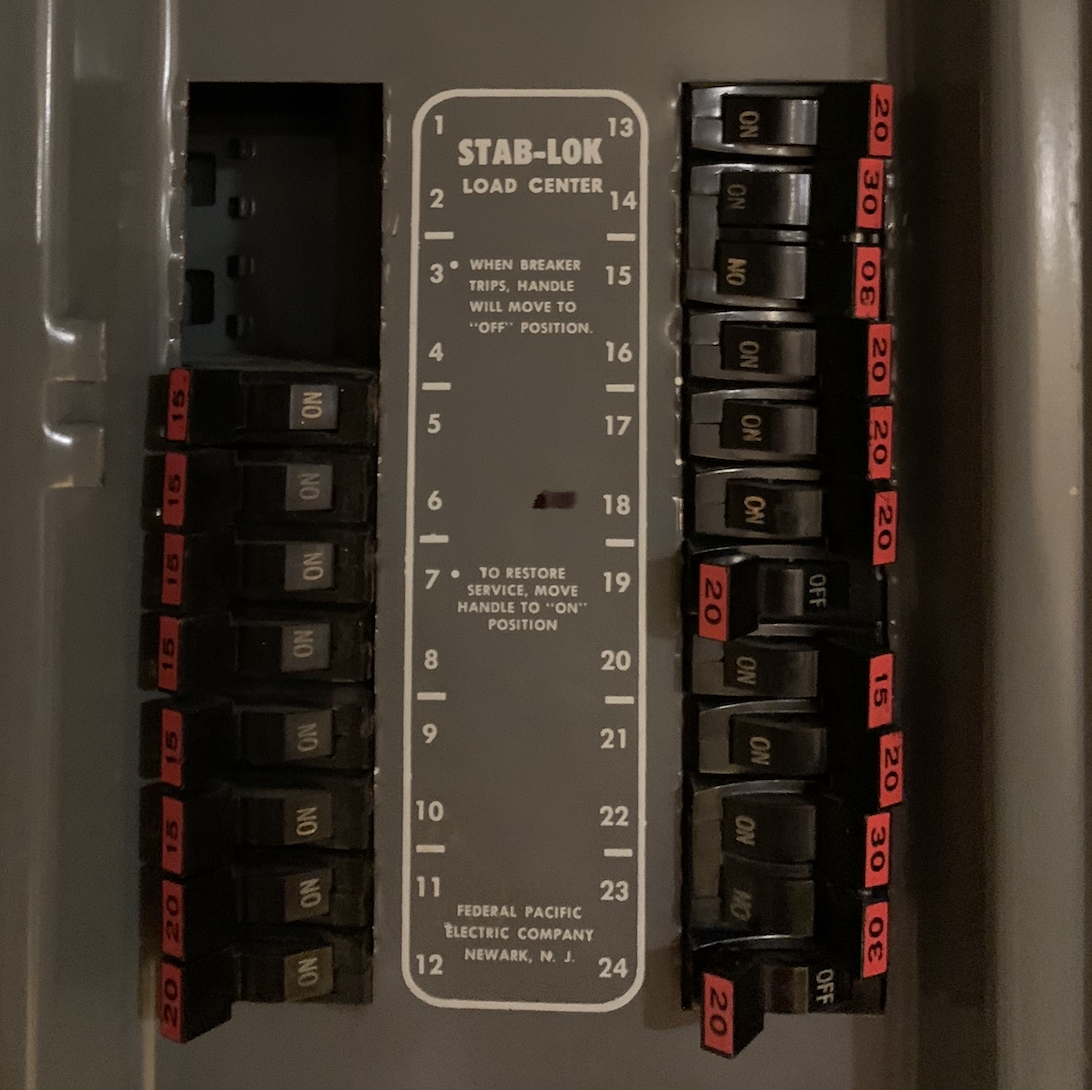
What Is a Stab-lok Electrical Panel?
Stab-lok panels were produced by Federal Pacific Electric and Federal Pioneer. They were commonly installed in homes from the 1950s through the late 1980s. At the time, builders liked them because they were affordable and compact.
The issue is that safety testing later revealed major design flaws. Today, most licensed Electrician professionals strongly recommend replacing these panels rather than repairing them.
Why Stab-lok Panels Were So Common
During the housing boom, builders wanted fast and affordable electrical solutions. Stab-lok panels allowed more circuits in a smaller space, which made them very popular at the time.
However, as homes began using more electricity, these panels could not safely handle the demand. Over time, serious safety issues became clear.
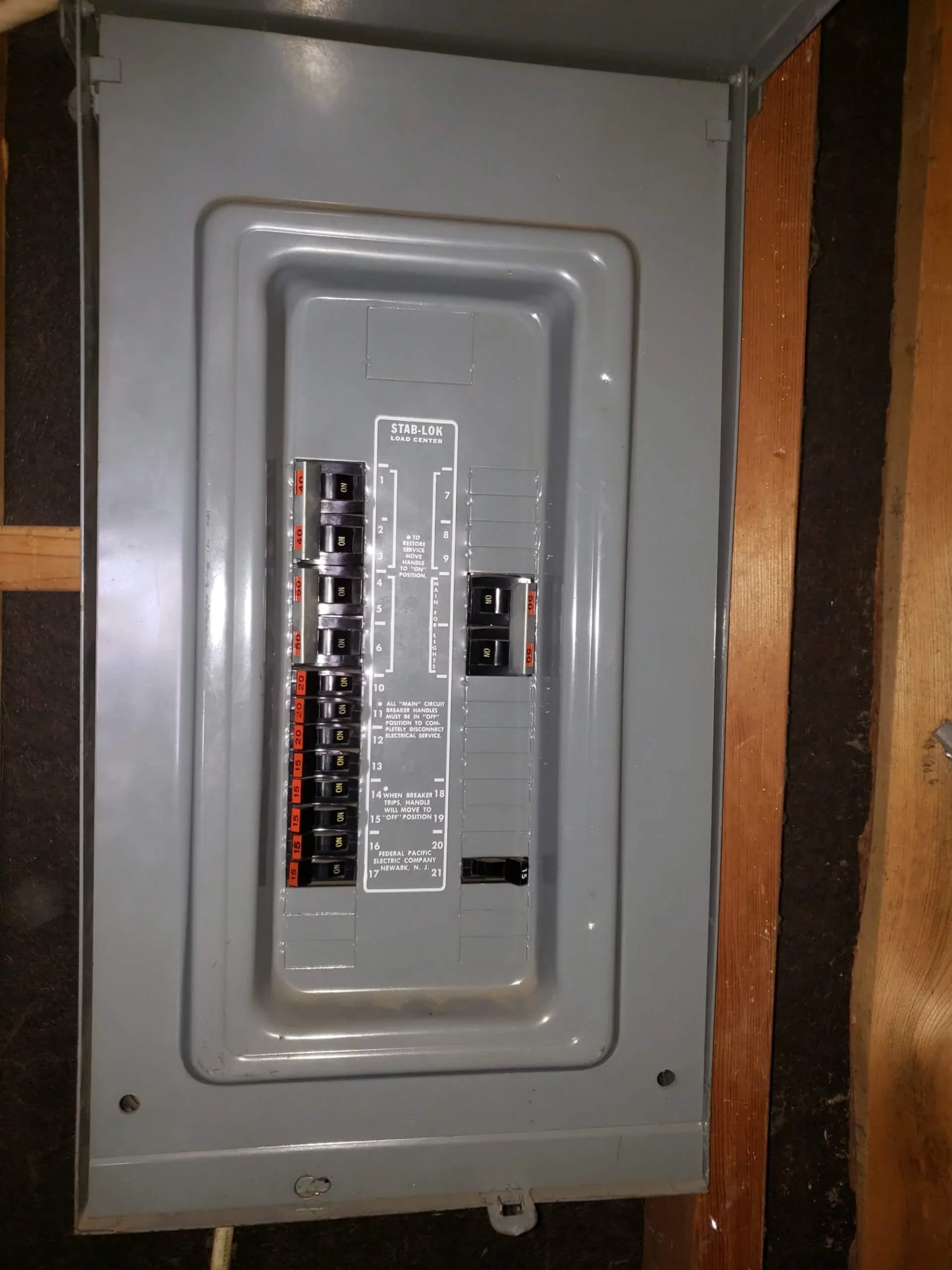
The Biggest Safety Problems With Stab-lok Panels
Breakers That Fail to Trip
Circuit breakers should shut off power during overloads. With Stab-lok equipment, this often does not happen. A licensed Electrician knows that failed breakers greatly increase fire risk.
Higher Fire Risk
When breakers do not trip, wiring can overheat. Many fires have been linked to Stab-lok panels, often without warning signs.
Double-Pole Breaker Failures
Some breakers may shut off only one side of a circuit. Any trained Electrician will confirm this creates a dangerous electrical imbalance and raises the chance of fire.
Insurance Issues With Stab-lok Panels
Insurance companies recognize the risk. Many refuse coverage or increase premiums for homes with Stab-lok panels. In most cases, replacement is the only long-term solution insurers accept.
How to Tell If You Have a Stab-lok Panel
You may have one if your home was built before the 1990s. Look for:
Federal Pacific, Federal Pioneer, or Stab-lok labels
Colored breaker handles
Older inspection reports mentioning Stab-lok
If you are unsure, call a licensed Electrician for an inspection.
Should You Replace a Stab-lok Panel?
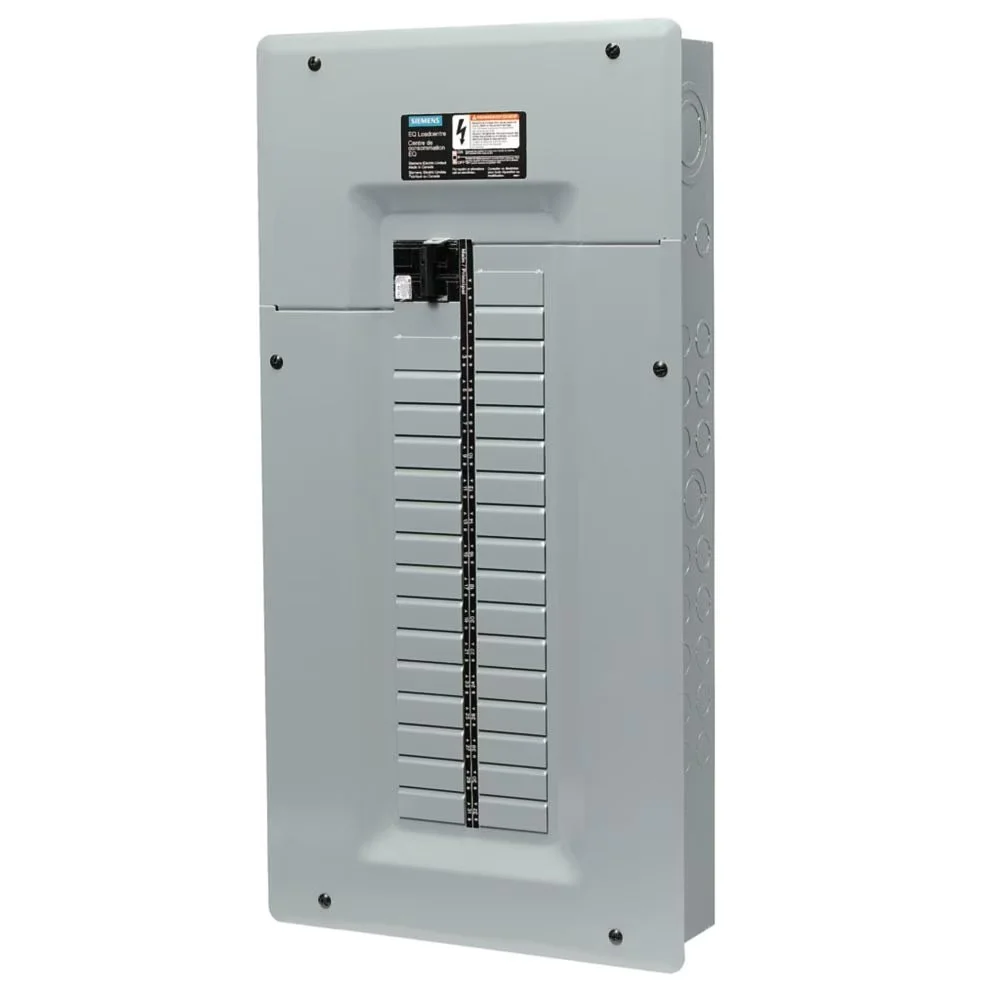
Yes. Replacing a Stab-lok panel is the safest choice. Repairs do not fix the design flaws. Every licensed Electrician agrees that upgrading greatly reduces fire risk.
Why Hiring the Right Electrician Matters
Panel replacement requires permits and strict safety standards. A licensed Electrician ensures the job is done correctly and safely.
Before hiring, ask:
Are you licensed and insured?
Do you handle permits?
Do you have experience replacing Stab-lok panels?
Do you offer a warranty?
Benefits of Panel Replacement
Improved Safety: Removes a major electrical hazard
Higher Home Value: Buyers prefer updated systems
Lower Insurance Costs: Many insurers offer better rates
Better Performance: Supports modern power needs
Take Action Before a Problem Happens
Electrical hazards often go unnoticed until it is too late. If your home has a Stab-lok panel, now is the time to act.
A trusted Electrician can inspect your system, explain your options, and help you upgrade safely. Replacing outdated equipment protects your family, your property, and your peace of mind.
Don’t wait for warning signs. Schedule an inspection and move toward a safer electrical system today.
