

Smoke Detector: What to Look For & When to Replace
A working smoke detector and carbon monoxide alarm can save your life - but only if they’re installed properly, placed in the right areas, and not expired.
As an electrician, I’ve seen many homes with missing alarms, expired units, and systems that aren’t interconnected. The scary part? Most homeowners think they’re protected… until something happens.
Let’s break it down in a simple way: what to look for, when to replace, and what to do today.
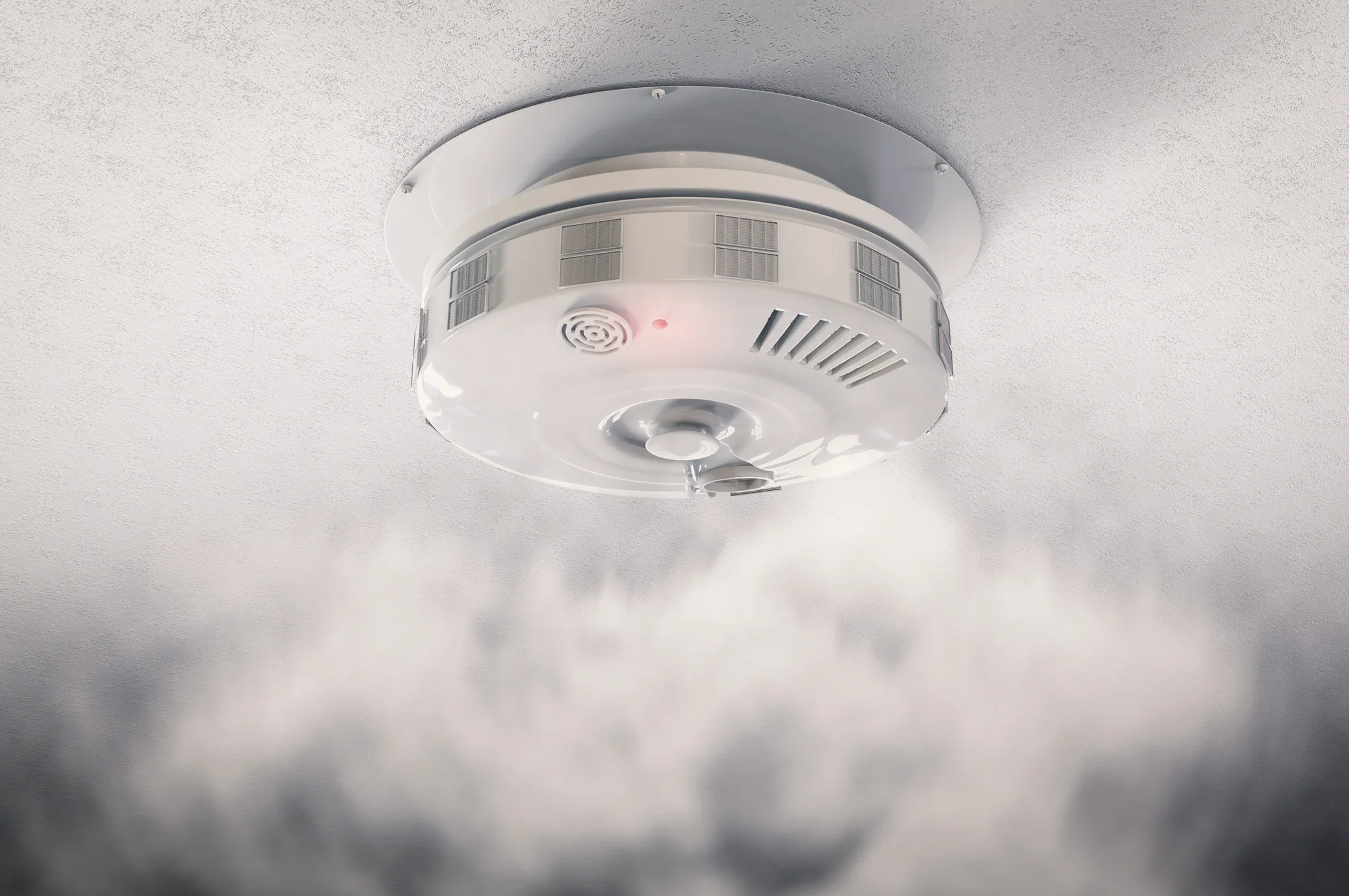
The #1 Problem I See in Homes
Most homes don’t have enough alarms, or they’re in the wrong places. The biggest issues I regularly find are:
No interconnected alarms (one alarm goes off, but the rest stay silent)
Poor placement (too close to kitchens or bathrooms, causing nuisance alarms)
Not enough alarms (missing alarms near bedrooms, basements, or attached garages)
Coverage matters.
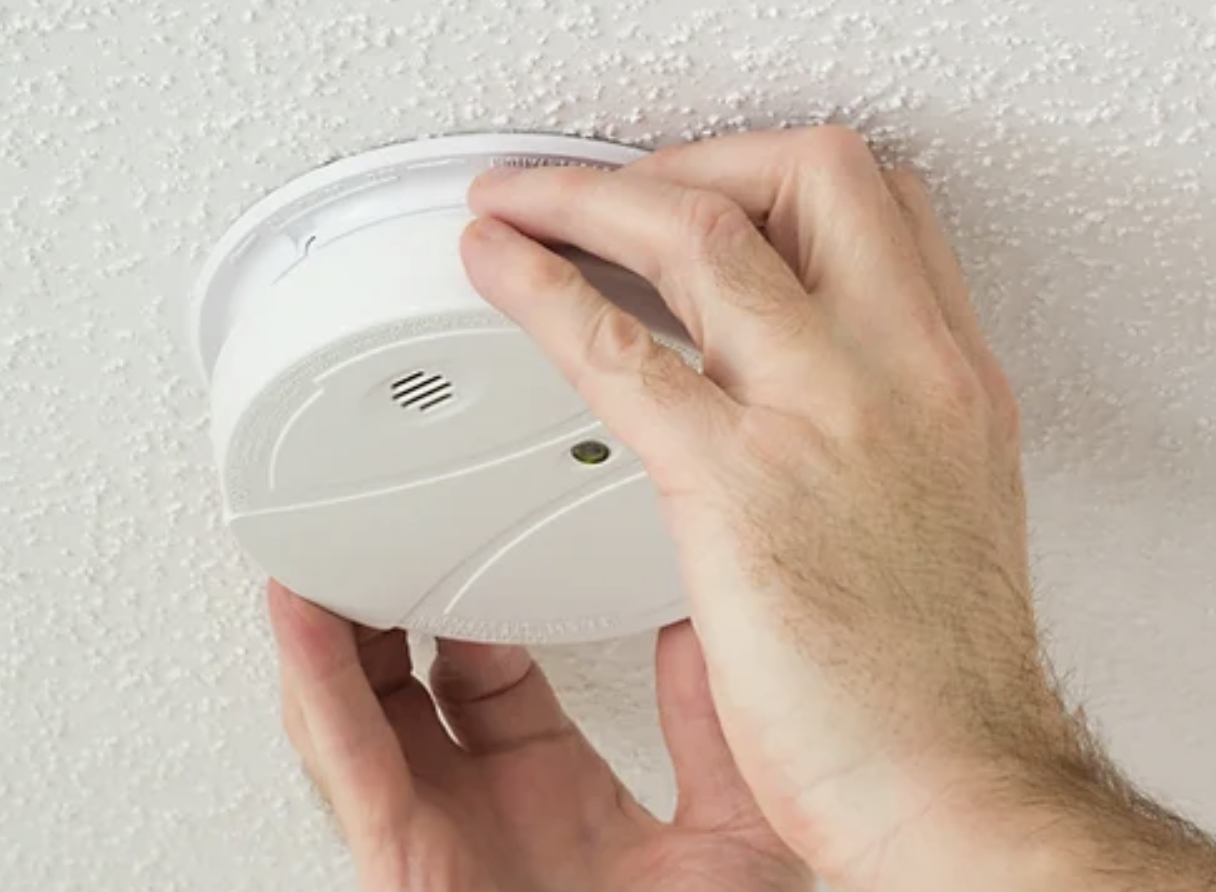
Replace Your Smoke Detector If You Notice:
Chirping after battery change
Weak or no sound when testing
Frequent false alarms
Yellowing, cracks, or damage
Missed alerts on interconnected/smart systems
Recall notices for your model
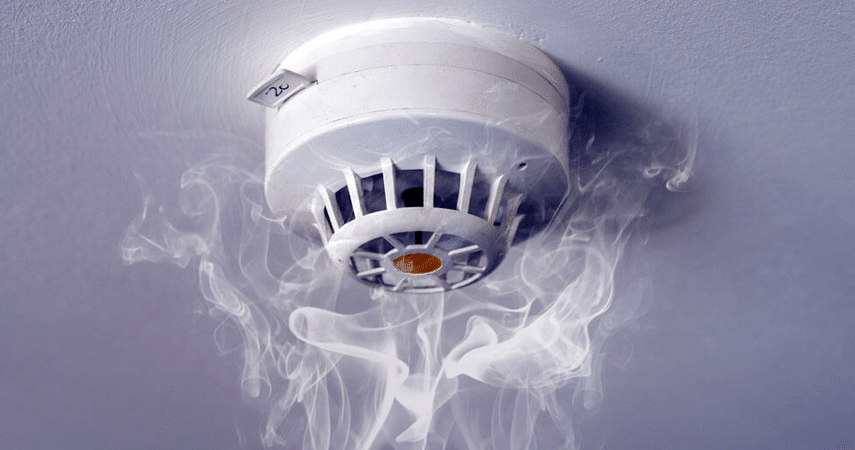
Why Placement Matters
I had a client leave something on the stove and step into the shower. A fire started and thankfully it didn’t get too severe - but it could have been much worse.
In homes where a smoke detector is poorly placed, people can lose precious seconds before they even realize there’s smoke. That time matters.
Warning Signs Your Smoke Detector Is Failing
Here are the main signs I tell homeowners to watch for:
1) It’s past the expiration date
If your smoke detector is older than 10 years, it’s time.
2) It keeps chirping after changing the battery
If you install fresh batteries and it still chirps or follows a pattern (like 3 or 5 beeps), that often means:
end-of-life alert
internal failure
wiring issue (hardwired models)
3) It fails or delays during testing
Test monthly. If the sound is weak or delayed, your smoke detector may be failing.
4) Frequent false alarms
If your alarm goes off often with no clear cause, the sensor may be degrading. This is also how alarms end up disabled — and that’s dangerous.
5) It’s yellowed, cracked, or damaged
Here’s a rule I use:
“If it’s yellowed, it’s done.”
Yellowing plastic usually means the materials are breaking down, and the alarm may not perform reliably.
6) Recalls
Some models have been recalled. It’s worth checking your brand/model occasionally.
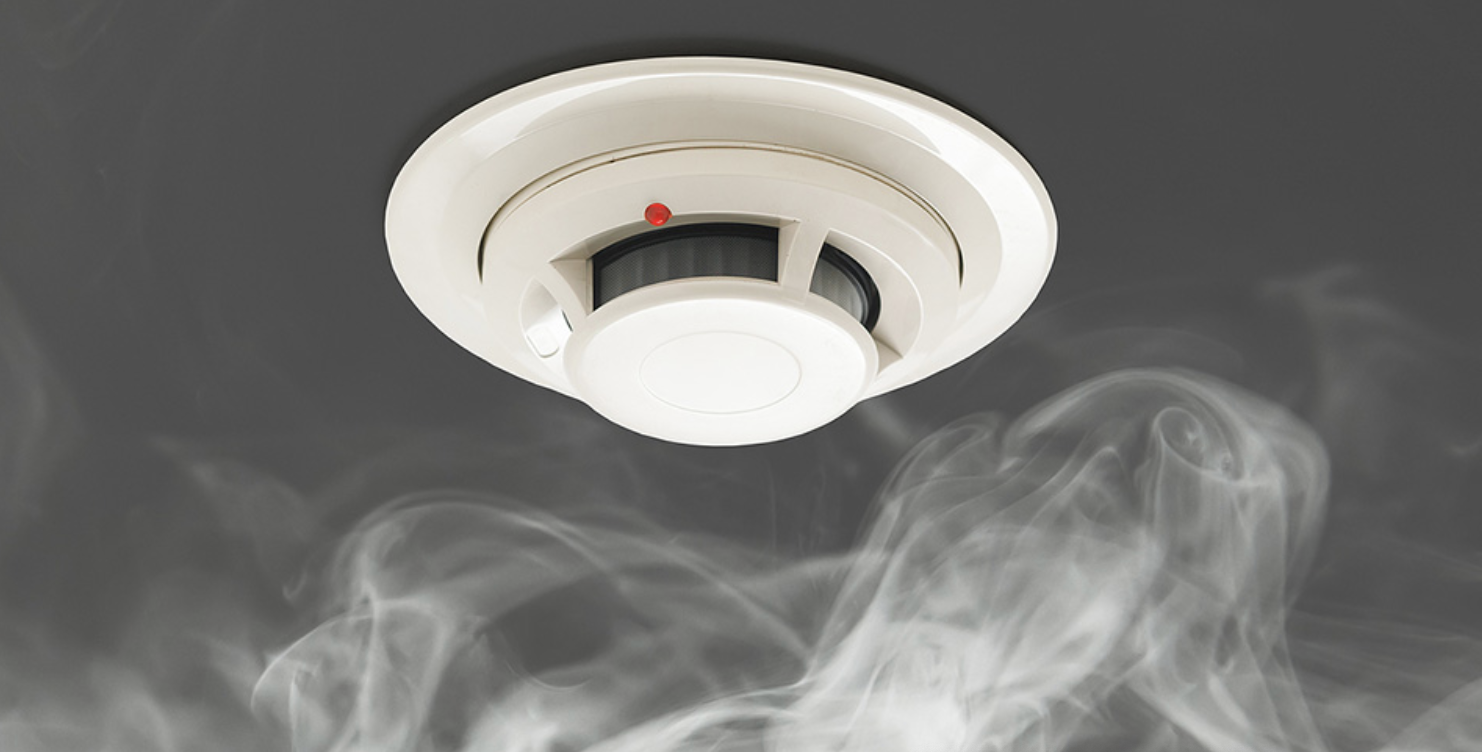
Wait No Longer
If your smoke detector is expired, missing in key areas, or not interconnected, your home may not be properly protected. Wait no longer - small upgrades can make a huge difference in an emergency.
Call us to replace and install the right alarms, confirm proper placement, and make sure your system is working the way it should.
